
The Role of Protein in Dog Nutrition: How Much Is Enough?
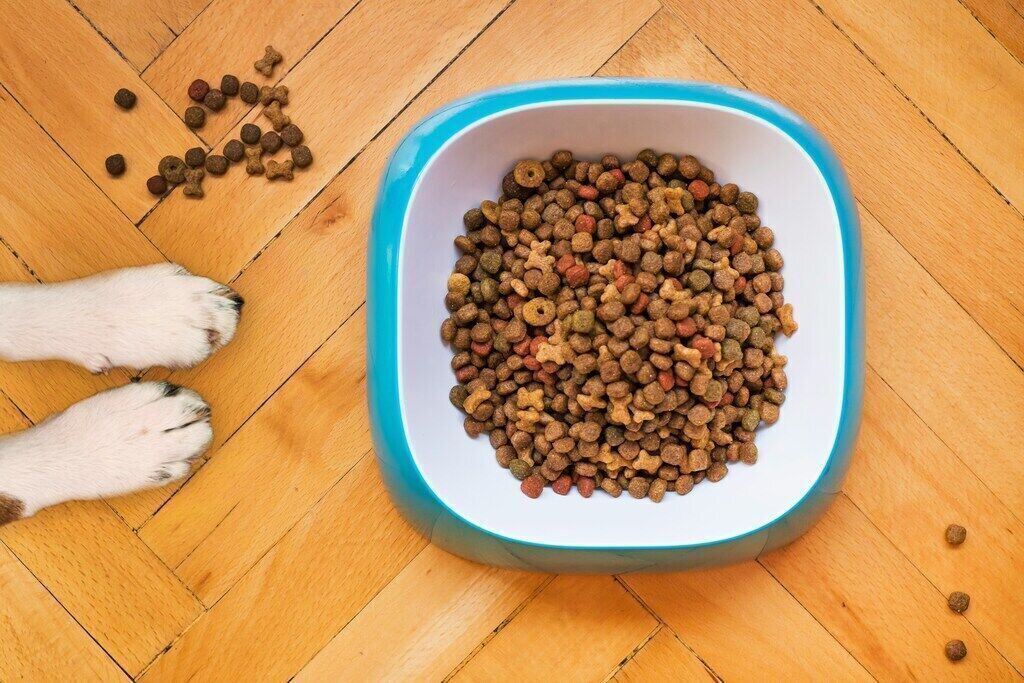
The Role of Protein in Dog Nutrition: How Much Is Enough?
Protein is one of the most essential nutrients in a dog’s diet, providing the building blocks for muscle growth, tissue repair, and overall vitality. But how much protein does your dog really need? Can too much protein be harmful? In this article, we’ll dive into the science of canine protein nutrition and explore how to ensure your furry friend gets the right amount for optimal health.
What Is Protein and Why Is It Important?
Protein is composed of amino acids , which are vital for almost every biological function. Dogs require 22 amino acids , and while their bodies can produce some of them, 10 must come from their diet — these are called essential amino acids .
Protein plays several crucial roles in your dog’s body:
- Muscle Maintenance: Builds and repairs muscles, tissues, and organs.
- Immune Function: Supports the production of antibodies and enzymes.
- Energy Source: When carbohydrates or fats are insufficient, protein provides energy.
- Healthy Coat and Skin: Promotes strong hair growth and a shiny coat.
- Hormone and Enzyme Production: Helps regulate metabolism and other vital processes.
Without adequate protein, dogs can suffer from fatigue, muscle loss, weak immune systems, and dull coats.
How Much Protein Does a Dog Need?
Protein requirements depend on factors like age, activity level, breed, and health condition .
General Protein Guidelines (by dry matter basis):
- Puppies: 22–32%
- Adult dogs: 18–25%
- Working or athletic dogs: 25–35%
- Senior dogs: 20–28%
However, these percentages can vary based on your dog’s energy expenditure . For example, a Border Collie that runs daily will need more protein than a sedentary indoor Bulldog.
Sources of High-Quality Protein for Dogs
When choosing food, focus on high-quality, digestible protein sources . The biological value (BV) measures how efficiently a protein is absorbed and used by the body.
| Protein Source | Biological Value | Notes |
|---|---|---|
| Eggs | 100 | Most complete protein source |
| Chicken | 79 | Lean and highly digestible |
| Beef | 78 | Rich flavor but slightly higher fat |
| Fish (salmon, tuna) | 75 | Excellent omega-3 content |
| Lamb | 72 | Great for sensitive dogs |
| Soy | 67 | Plant-based option, less digestible |
A diet combining multiple protein sources ensures a full amino acid profile for your dog’s needs.
Can Dogs Have Too Much Protein?
While protein is essential, excessive protein can sometimes cause problems, particularly for dogs with kidney or liver disease.
Potential issues include:
- Increased kidney workload: The body must filter nitrogen waste produced from protein metabolism.
- Dehydration risk: Protein breakdown increases water needs.
- Weight gain: High-protein diets can be calorie-dense if not balanced properly.
For healthy adult dogs, higher protein intake is usually not harmful , but balance is key. Always pair protein with adequate carbohydrates, fats, vitamins, and minerals.
Understanding Protein Labels on Dog Food
When reading commercial dog food labels, look for:
- Named meat sources: e.g., “chicken meal” is better than “meat by-products.”
- First ingredient: High-quality protein should appear first on the ingredient list.
- AAFCO statement: Ensures the food meets established nutritional standards.
Avoid foods with excessive fillers (corn, wheat gluten) or vague ingredients (“animal digest,” “meat flavor”).
Signs Your Dog May Need More Protein
Your dog’s behavior and physical condition can reveal protein deficiencies:
- Dull, brittle coat or excessive shedding
- Low energy or fatigue
- Slow wound healing
- Loss of muscle mass
- Poor appetite or weight loss
If you notice these symptoms, consult a veterinarian before adjusting protein levels, as they may also indicate other health problems.
Balancing Protein with Other Nutrients
Protein doesn’t work alone — dogs also need fats, carbohydrates, and micronutrients to thrive. Here’s a quick overview of balance:
- Fats: Supply energy, support skin, and absorb vitamins (should make up 10–15% of diet).
- Carbohydrates: Provide fiber and fuel (30–50% of diet).
- Vitamins & Minerals: Support immune and bone health (from vegetables, fruits, and supplements).
A well-balanced homemade or commercial diet ensures your dog gets everything it needs — not just protein.
Homemade High-Protein Recipe Example
Turkey and Lentil Power Bowl
Ingredients:
- 2 lbs ground turkey
- 1 cup cooked lentils
- ½ cup chopped spinach
- ½ cup carrots
- 1 tablespoon fish oil
Instructions:
- Cook the turkey in a skillet until fully browned.
- Add lentils and vegetables, then simmer for 10 minutes.
- Stir in fish oil after cooling.
- Serve once at room temperature.
This simple meal provides lean protein, fiber, and omega-3 fats for muscle recovery and coat health.
Final Thoughts
Protein is the foundation of your dog’s diet — essential for growth, strength, and long-term vitality. The right amount and quality make all the difference between a healthy, energetic dog and one struggling with nutrition-related issues.
Always remember: more isn’t always better — balance is best. Consult your vet or a certified canine nutritionist to design a meal plan suited to your dog’s individual needs.
By understanding the role of protein and making mindful choices, you’re ensuring your loyal companion enjoys a healthier, happier life.